Creating a home workspace that is both clutter-free and productive is essential for anyone working from home or pursuing personal projects. A disorganized space can lead to distractions, stress, and less efficiency, while an organized environment supports focus and creativity. In this post, we’ll explore practical tips to help you organize your home workspace effectively.
Why Organizing Your Home Workspace Matters
A well-organized workspace promotes:
– Clear thinking and better concentration
– Faster task completion
– Reduced stress and frustration
– A more professional attitude toward work
Investing time in setting up your workspace now can pay off with improved daily productivity.
Choose the Right Location
Start by finding the best spot in your home for your workspace. Consider these factors:
– Quietness: Pick a space where noise is minimal.
– Natural Light: Natural light helps reduce eye strain and uplifts mood.
– Space: Ensure there is enough room for your desk, chair, and storage.
– Accessibility: Close to power outlets and internet connection points.
Even a small corner with good lighting can become an efficient work area with the right setup.
Declutter to Create Space
Clutter is one of the biggest barriers to productivity. To declutter successfully:
– Sort and Purge: Go through all items and discard or donate what you don’t use.
– Limit Desk Items: Keep only essential tools and materials on your desk.
– Regular Maintenance: Schedule weekly or monthly tidying sessions to prevent clutter build-up.
A clean desk helps clear your mind and lets you focus on tasks.
Use Functional Storage Solutions
Storage helps keep the workspace tidy. Consider the following:
– Drawer Organizers: Separate pens, paper clips, and other small items.
– Shelves and Bookcases: Use vertical space to store books, binders, and decor.
– Filing Systems: Organize important documents using labeled folders or boxes.
– Cable Management: Use clips or sleeves to keep cords neat and untangled.
Choose storage options that fit your space and workflow.
Invest in Ergonomic Furniture
Comfort affects your ability to work productively. Look for:
– Adjustable Chairs: Support good posture with lumbar support and height adjustment.
– Functional Desks: Consider desks with enough surface area and storage options.
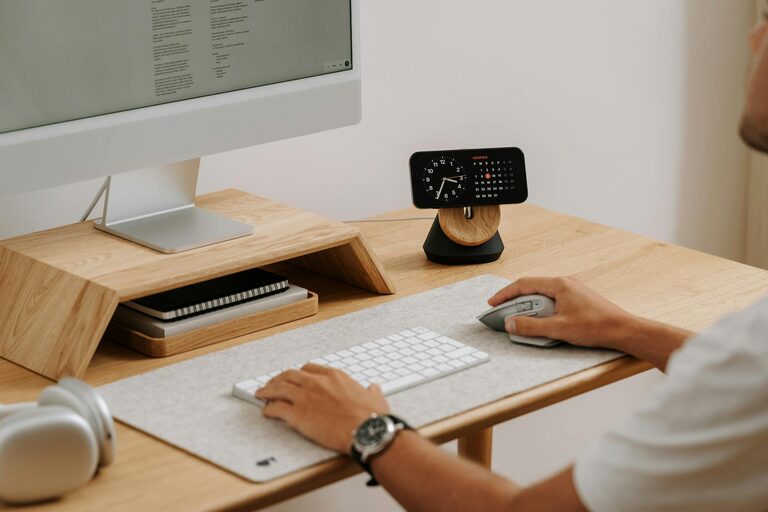
– Monitor Stands: Raise screens to eye level to avoid neck strain.
Ergonomic furniture reduces fatigue and enhances focus during long work sessions.
Set Up Efficient Lighting
Lighting can make a big difference in how well you work:
– Natural Light: Maximize windows and keep them unobstructed during the day.
– Task Lighting: Use adjustable desk lamps to reduce shadows.
– Ambient Lighting: Soft background lighting can prevent eye strain.
Different light sources create a comfortable and inviting atmosphere for work.
Organize Digitally Too
A physical clean workspace is important, but so is managing your digital environment:
– File Naming System: Use consistent naming conventions to find files easily.
– Cloud Storage: Keep backups and access your work from anywhere.
– Declutter Desktop: Remove unused shortcuts and files regularly.
– Use Productivity Apps: Tools for task lists and calendars help you stay organized.
A tidy digital space complements your physical workspace and improves efficiency.
Personalize Wisely
Adding personal touches makes your home workspace inviting but keep it minimal:
– Plants: Small greenery can boost mood and air quality.
– Inspirational Items: Photos or quotes that motivate you.
– Colors: Use calming or energizing colors depending on your preferences.
Balance personalization with simplicity to avoid distractions.
Develop a Daily Routine
An organized space helps, but habits play a key role in productivity:
– Start with Tidying: Spend 5 minutes organizing your desk before starting work.
– Set Priorities: Use a to-do list or planner for your daily tasks.
– Take Breaks: Step away regularly to maintain focus and prevent burnout.
– End of Day Cleanup: Clear your workspace to prepare for the next day.
Consistent routines support a productive mindset and keep your space orderly.
Final Thoughts
Whether you have a dedicated office room or a small corner in your home, organizing your workspace to be clutter-free and functional can significantly enhance your productivity and well-being. Start small with easy changes and gradually build a workspace environment that supports your daily work goals.
By choosing the right location, decluttering, investing in good furniture, managing lighting and digital files, personalizing thoughtfully, and developing a daily routine, you create a workspace where focus and creativity thrive. Try out these tips and enjoy the benefits of a more productive home workspace!
About the Author