Creating an organized and comfortable home office is essential for maintaining productivity, focus, and a positive mindset while working from home. A cluttered or poorly arranged workspace can lead to distractions, stress, and decreased efficiency. Fortunately, organizing your home office doesn’t have to be complicated or expensive. This post will guide you through simple, actionable tips to create an inviting and productive work environment.
Why Organizing Your Home Office Matters
An organized home office helps you stay focused, reduces stress, and improves your work quality. When everything has its place, you waste less time searching for supplies, and your mental space feels clearer. Establishing an environment that suits your work habits encourages consistency and motivation throughout the workday.
Assess Your Workspace and Needs
Before making any changes, take a moment to evaluate your current space and work routine.
– Identify the type of work you do: Do you need space for writing, computer work, meetings, or creative projects?
– Consider equipment and supplies: What tools do you use daily? What can be stored away?
– Check your space limitations: How much room do you have? Is it a dedicated room or a corner in another area?
By understanding these factors, you can tailor your organization efforts to what will work best for you.
Clear Out Clutter
Clutter can overwhelm your workspace and mind. Begin with decluttering:
- **Sort your items:** Separate things into categories like keep, donate, recycle, or toss.
- **Limit desktop items:** Keep only essentials like your computer, a notebook, or a few pens on your desk.
- **Organize paperwork:** Use folders, filing cabinets, or digital scanning to minimize paper clutter.
- **Dispose of unused cables and gadgets:** They take up space and add to the mess.
Regularly revisiting this step can help maintain a tidy office over time.
Optimize Desk and Storage Layout
Your desk and storage setup greatly influence your comfort and efficiency.
– Desk placement: Position your desk in a way that maximizes natural light but avoids screen glare.
– Ergonomic setup: Invest in a comfortable chair and organize your desk to support good posture.
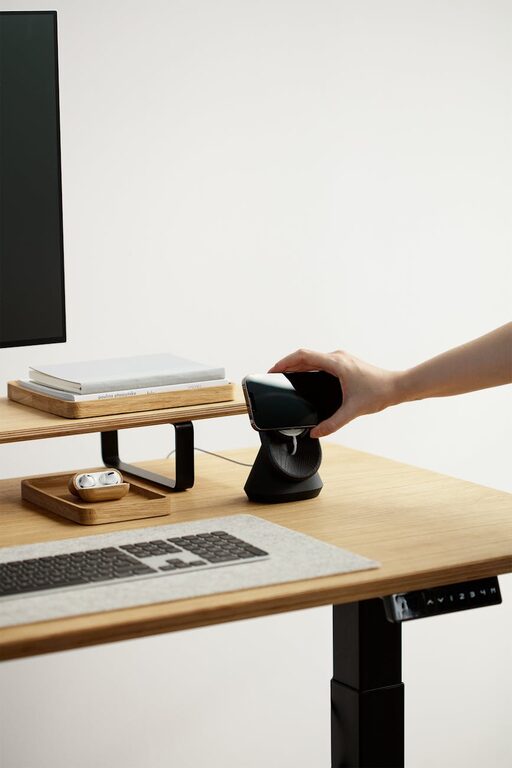
– Declutter desk surface: Use organizers, trays, or drawers to store office supplies.
– Vertical space: Install shelves or pegboards on walls to keep items off the desk yet easily accessible.
Keeping frequently used items within arm’s reach saves time and reduces interruptions.
Utilize Smart Storage Solutions
Storage solutions help you keep your office neat without sacrificing accessibility.
– Drawer organizers: Create compartments to separate small items like paper clips or sticky notes.
– Label everything: Label bins, folders, and shelves for quick identification.
– Cable management: Use clips, ties, or sleeves to keep cords neat and prevent tangling.
– Multi-purpose furniture: Consider desks or cabinets with built-in storage.
Having designated homes for items reduces mess and helps you maintain order effortlessly.
Incorporate Technology Wisely
Technology can both help and hinder organization.
– Digital tools: Use apps for note-taking, task management, and calendar scheduling to reduce paper.
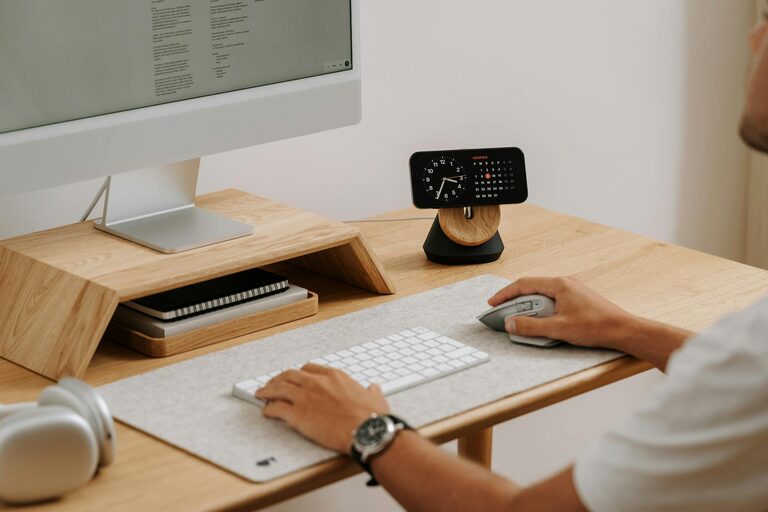
– Wireless devices: Minimize cables by switching to wireless keyboards, mice, and printers.
– Regular backups: Keep your digital files organized and backed up to avoid data loss.
– Clean your devices: Regularly wipe down screens and keyboards to maintain a pleasant workspace.
Balance between physical and digital organization is key to productivity.
Personalize Your Space Mindfully
Adding a personal touch makes your home office more enjoyable but keeps it simple to avoid distractions.
– Add greenery: Small plants can brighten your space and improve air quality.
– Display inspiring items: Photos, artwork, or motivational quotes encourage positivity.
– Use calming colors: Choose office accessories or decorations in colors that help you focus.
– Control noise: Use noise-canceling headphones or sound machines if needed.
The goal is a space that feels inviting and supports your workflow.
Establish Daily and Weekly Habits
Organizing once is not enough; maintaining your office requires consistent habits.
– End-of-day routine: Spend 5-10 minutes tidying your desk before finishing work.
– Weekly deep clean: Dedicate time once a week to clear out old papers and reorganize supplies.
– Review storage: Regularly check if your storage solutions are still meeting your needs.
– Prioritize tasks: Plan your workday with to-do lists to reduce mental clutter.
Small, regular habits help keep your workspace organized long-term.
Conclusion
Organizing your home office doesn’t have to be overwhelming. By decluttering, optimizing your layout, using smart storage, balancing technology, personalizing wisely, and establishing good habits, you can create a workspace that enhances your productivity and wellbeing. Start with simple adjustments today and see how a well-organized home office can make your workdays smoother and more enjoyable.
About the Author